Crypto Safety Playbook
Trezor.io/start: A Practical Guide to Securing Crypto the Right Way
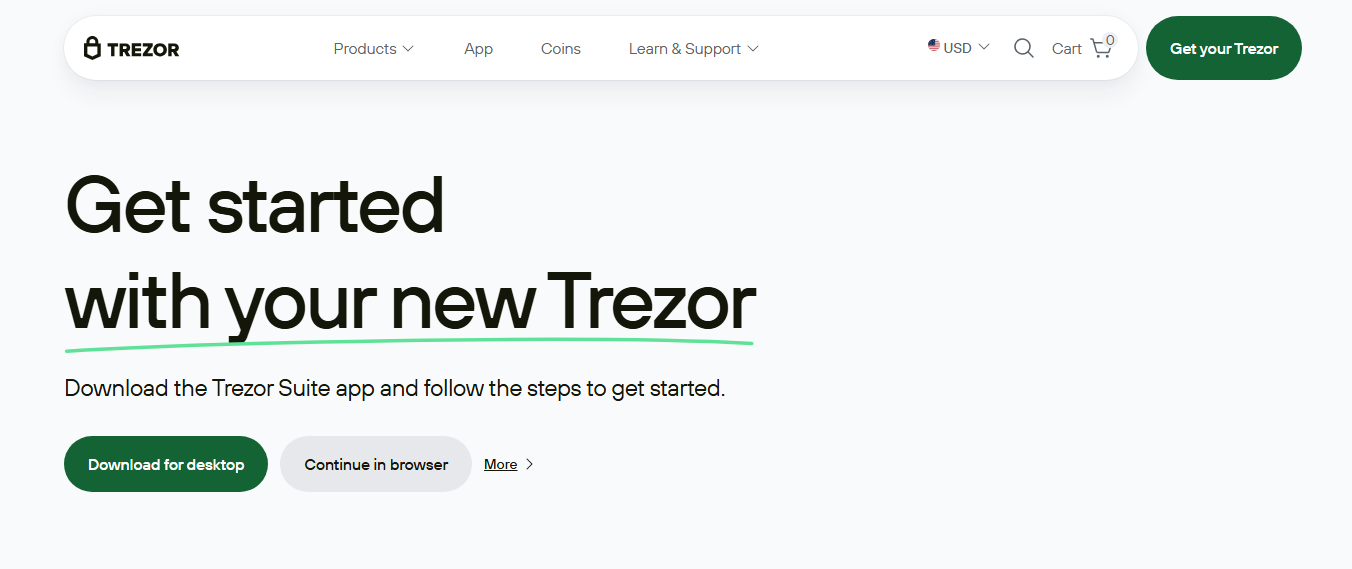
Trezor.io/start is the official launchpad for anyone ready to protect their cryptocurrency with a Trezor hardware wallet. This guide explains the setup process from a real-world perspective, helping beginners and intermediate users understand not just how to start, but why each step matters.
Why Self-Custody Starts at Trezor.io/start
Cryptocurrency was designed to remove centralized control, yet many users still rely on exchanges and apps to store their assets. While convenient, this approach exposes users to hacks, freezes, and platform failures.
Trezor.io/start is where the shift happens. It ensures your wallet is created securely, your firmware is legitimate, and your private keys are generated offline. This process transforms crypto from a digital balance you “access” into property you truly own.
Trezor.io/start is where the shift happens. It ensures your wallet is created securely, your firmware is legitimate, and your private keys are generated offline. This process transforms crypto from a digital balance you “access” into property you truly own.
The Core Idea of Hardware Wallets
A hardware wallet doesn’t store coins — it protects the private keys that control them. Trezor keeps those keys offline, isolated from malware, phishing attempts, and browser-based attacks.
Step-by-Step: What Happens on Trezor.io/start
Device Verification
When first connected, Trezor checks whether firmware is installed. A genuine device never comes pre-initialized or pre-seeded.
Trezor Suite Setup
The official Trezor Suite software allows you to manage assets, review balances, and verify every transaction securely.
Wallet Creation
Private keys are generated inside the device. The recovery seed appears only on the Trezor screen — never online.
Final Confirmation
After verification, your wallet is ready to send, receive, and interact with blockchains securely.
The Recovery Seed: Your Backup Plan
The recovery seed — usually 12 or 24 words — is the only way to restore your wallet if the device is lost or damaged. It works across compatible wallets and does not depend on Trezor as a company.
Anyone who knows your recovery seed can access your crypto. This is why it must be written down offline and stored in a secure, private location.
Anyone who knows your recovery seed can access your crypto. This is why it must be written down offline and stored in a secure, private location.
Trezor vs Exchange Storage
Security Factor
Trezor Wallet
Exchanges
Private Key Control
Owned by user
Owned by platform
Online Exposure
None
Constant
Risk of Shutdown
None
High
Using Trezor in Everyday Crypto
Trezor supports Bitcoin, Ethereum, Litecoin, and thousands of tokens. Users can send and receive crypto, track balances, stake assets, and interact with DeFi and Web3 platforms while signing transactions on the device itself.
This approach balances modern crypto usability with strong cold-storage security.
This approach balances modern crypto usability with strong cold-storage security.
Common Setup Questions
Is Trezor.io/start required?
Yes. It guarantees authentic firmware and secure wallet creation.
Can Trezor be hacked?
Remote hackers cannot access private keys. Physical access combined with poor seed storage is the real risk.
Is Trezor beginner-friendly?
Yes. The setup process is designed for users with no prior technical experience.
Extra Security for Serious Holders
Advanced features such as passphrases, hidden wallets, and multisignature setups allow users to increase protection as their holdings grow.
Final Takeaway on Trezor.io/start
Trezor.io/start is more than a setup page — it is a mindset shift. By taking control of your private keys, you remove reliance on third parties and embrace the original promise of cryptocurrency.
Security in crypto is proactive, not reactive. Starting with Trezor.io/start ensures your journey begins on solid ground.
Security in crypto is proactive, not reactive. Starting with Trezor.io/start ensures your journey begins on solid ground.